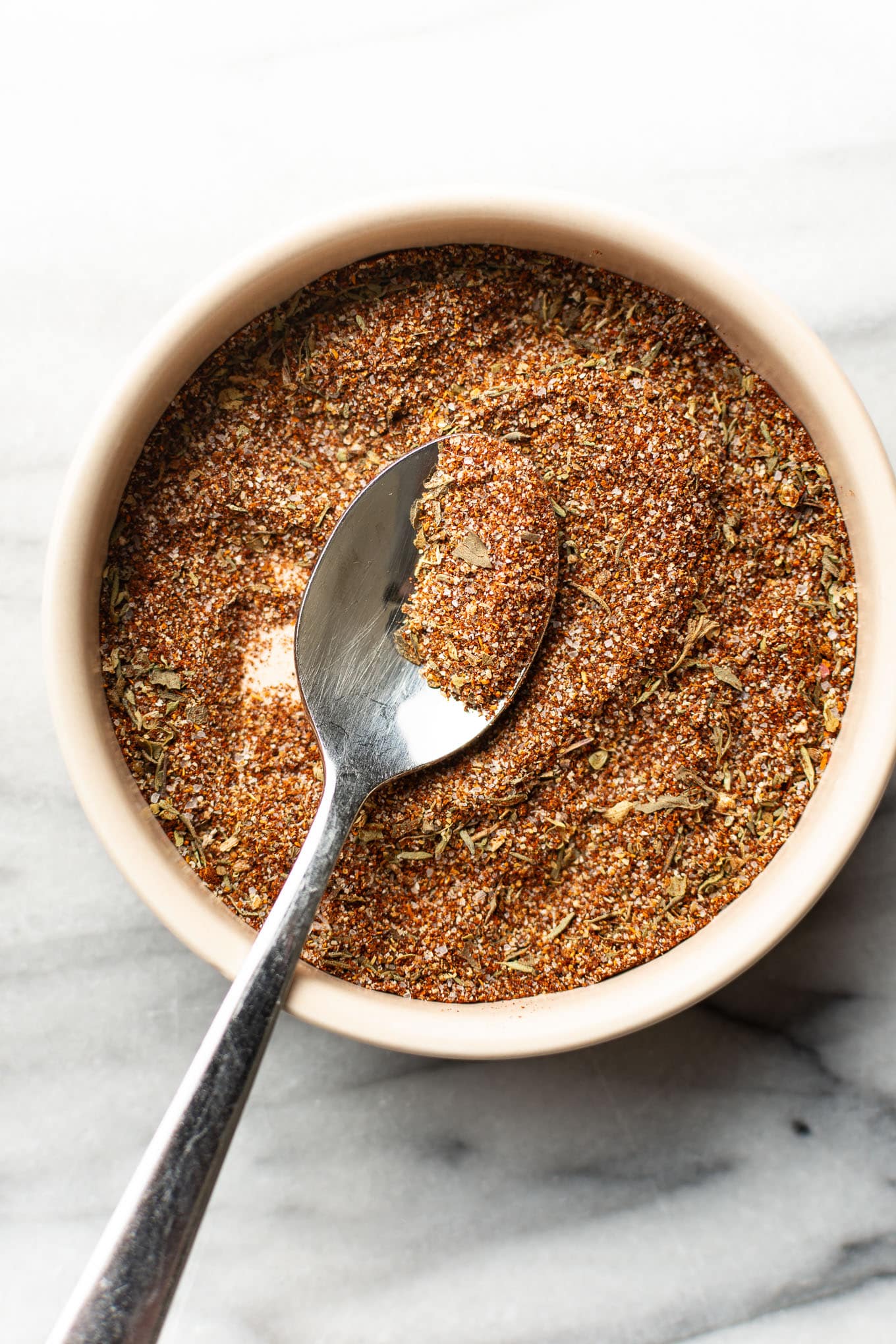
Homemade Blackened Seasoning: The Ultimate Flavor Upgrade
Imagine a dish that’s bursting with savory, spicy, and aromatic flavors, encased in a beautiful, dark crust that locks in juiciness and adds an incredible textural contrast. This isn't a complex culinary secret, but rather the magic of a well-crafted blackened seasoning, and the even greater news is that you can create the ultimate version right in your own kitchen. Mastering a homemade
blackened seasoning recipe is perhaps one of the most impactful steps you can take to elevate your cooking, transforming everyday ingredients into extraordinary meals.
Forget bland chicken or uninspired fish; with this versatile spice blend, every bite becomes an experience. This article will guide you through understanding what blackened seasoning truly is, why making it yourself is a game-changer, how to craft your perfect blend, and the best ways to use and store your newfound flavor powerhouse. Get ready to ditch the store-bought packets and embrace a world of bold, customizable taste!
The Allure of Blackened Seasoning: More Than Just a Spice Blend
The term "blackened" often conjures images of charring or even burning, but in the culinary world, it signifies something entirely different and far more delicious. Blackened food is *not* burnt food. Instead, it refers to a distinct cooking method, popularized in New Orleans, where proteins—originally fish, but now commonly chicken, shrimp, steak, and even vegetables—are coated in a special spice blend and seared at high temperatures. The result is a dramatically dark, almost black, flavorful crust that forms on the outside, while the inside remains tender and juicy.
The magic happens when food is brushed liberally with melted butter or oil, then heavily dusted with a robust blend of spices. When this coated food hits a scorching hot pan, typically a cast-iron skillet, the fats and spices rapidly darken, caramelize, and undergo the Maillard reaction, creating an incredibly rich, complex, and savory crust. This crust, while dark, is intensely flavorful and offers a delightful textural contrast to the succulent interior. If you're looking to delve deeper into the origins and techniques,
Unlock Bold Flavor: Your Guide to Authentic Blackened Seasoning provides an excellent overview.
While classic blackening involves very high heat to achieve that signature deep char, modern home cooks often "tame down" the method slightly to reduce smoke and avoid an overly aggressive char. Even with a slightly less intense heat, the flavor from a quality
blackened seasoning recipe remains big, bold, and utterly irresistible.
Why Make Your Own Blackened Seasoning Recipe?
The market is flooded with pre-made spice blends, so why go to the "trouble" of making your own? The answer lies in unparalleled flavor, control, and freshness.
- Unmatched Customization: This is arguably the biggest benefit. A homemade blackened seasoning recipe empowers you to tailor the blend precisely to your family's preferences. Love heat? Pile on the cayenne! Not a fan of too much garlic? Scale it back. Want a smoky undertone? Add smoked paprika. This level of personalization is simply not possible with store-bought options.
- Superior Freshness and Quality: Pre-packaged spices can sit on shelves for months, even years, gradually losing their potency. When you make your own, you're using fresh spices, often ground more recently, which translates to a more vibrant and aromatic flavor in your final dish.
- Control Over Ingredients: Many commercial blends contain anti-caking agents, excessive salt, or other additives. Making your own ensures you know exactly what's going into your food, allowing you to manage sodium levels and avoid unwanted ingredients.
- Cost-Effectiveness: While the initial investment in individual spices might seem higher, in the long run, buying spices in bulk and blending them yourself is significantly more economical than continually purchasing small packets of pre-made seasoning.
- Effortless Weeknight Meals: One of the best things about a quality blackened seasoning is that it eliminates the need for lengthy marinating. You can season proteins just before cooking, making it an ideal choice for busy weeknights when time is precious. Just coat and cook! For more ideas on simple meal prep, check out Easy DIY Blackened Spice Blend: Customize Weeknight Meals.
Crafting Your Perfect Blackened Seasoning Recipe: Key Ingredients & Flavor Profile
A quintessential
blackened seasoning recipe is a symphony of dried herbs and ground spices, each playing a crucial role in creating that signature savory-spicy kick. While specific ratios vary, the core components remain consistent:
- Paprika: This forms the colorful base of most blackened blends. It provides a mild sweetness, a vibrant reddish hue, and a foundational earthiness. For an extra layer of complexity, consider using *smoked paprika* which adds a rich, woody depth.
- Cayenne Pepper: The source of heat! Adjust this according to your desired spice level. A little adds a pleasant warmth, while more can ignite a fiery kick.
- Dried Thyme and Oregano: These herbaceous stalwarts bring an earthy, slightly peppery, and aromatic quality that is quintessential to Cajun and Creole-inspired flavors.
- Garlic Powder and Onion Powder: Essential for building a savory, umami-rich foundation. They provide a concentrated burst of flavor without the moisture or texture of fresh garlic and onion.
- Salt and Black Pepper: Non-negotiable foundational seasonings. While often not listed in the *spice* blend description, they are crucial to any savory dish. A good quality coarse salt (like kosher or sea salt) and freshly ground black pepper will make a noticeable difference.
Tips for Customization:
Experimentation is key when developing your ultimate
blackened seasoning recipe.
- Heat Level: Play with the amount of cayenne. For less heat, you can substitute some with a milder chili powder. For more, add a pinch of crushed red pepper flakes (though these won't grind down as finely).
- Smoky Undertones: Smoked paprika is your best friend here. You can even add a tiny pinch of chipotle powder for a different smoky heat.
- Sweetness: A very small pinch of brown sugar can aid in caramelization and balance the heat, adding another layer of flavor.
- Depth: Consider adding a touch of cumin for an earthy, pungent note, or celery seed for a subtle, fresh, and slightly bitter dimension.
The beauty of a homemade blend is that you can continually refine it until it's perfectly suited to your palate.
Mastering the Blackening Technique: From Pantry to Plate
Once you have your perfect
blackened seasoning recipe mixed, it’s time to put it to work. The method is straightforward but requires attention to heat.
- Prepare Your Protein: Pat your chosen protein (fish fillets, shrimp, chicken breasts, steak, pork chops) thoroughly dry. This is crucial for achieving a good crust.
- Coat Liberally: Brush both sides of the protein with melted butter or a high-smoke-point oil (like olive oil or avocado oil). Then, generously dredge the protein in your homemade blackened seasoning, ensuring it’s completely coated. The oil helps the spices adhere and contributes to the crust.
- Heat Your Pan: The traditional method uses a heavy cast-iron skillet heated until it's smoking hot. If you're "taming down" the method, heat it to medium-high until a drop of water sizzles instantly and evaporates. Good ventilation is highly recommended, as there will likely be some smoke.
- Sear: Place the seasoned protein in the hot pan. Cook for 2-4 minutes per side, depending on thickness, until a dark, flavorful crust forms. The spices will darken significantly. Resist the urge to move the protein too much; let that crust develop.
- Finish Cooking: For thicker cuts, you might need to finish them in the oven after searing, or reduce the heat and continue cooking in the pan until cooked through.
Beyond proteins, this seasoning is incredibly versatile. Try sprinkling it on roasted vegetables (broccoli, cauliflower, potatoes), adding it to scrambled eggs, jazzing up popcorn, or mixing it into dips for a flavorful kick.
Storing Your Homemade Flavor Powerhouse
One of the great advantages of making your own spice blends is having a ready supply on hand. Proper storage is essential to maintain the potency and freshness of your
blackened seasoning recipe.
*
Airtight Container: The most crucial step is to store your blend in an airtight container. A small glass jar with a tightly fitting lid is ideal. This protects the spices from air, which can cause them to lose flavor.
*
Cool, Dark Place: Keep your spice blend away from heat, light, and moisture. A pantry or cupboard, far from the stove or direct sunlight, is the best location. Heat and light are enemies of spice potency.
*
Shelf Life: When stored correctly, your homemade blackened seasoning can retain its full potency for at least six months to a year. After a year, the flavors might begin to mellow slightly, but it will still be perfectly good to use for another year beyond that. If you're using a less airtight container, like a zip-top bag, try to use it within 2-3 months for optimal flavor.
*
Check for Freshness: The best way to tell if your seasoning is still potent is to smell it. If the aroma is weak or musty, it's time to make a fresh batch.
Conclusion
Embracing a homemade
blackened seasoning recipe is more than just a culinary hack; it’s an investment in flavor, control, and healthier eating. From the savory depth of paprika and the fiery punch of cayenne to the aromatic notes of thyme and oregano, each ingredient contributes to a blend that can elevate virtually any dish. By taking a few moments to mix your own, you unlock a world of customizable tastes, ensuring that every meal you prepare is bursting with a unique, vibrant character. So, gather your spices, ignite your creativity, and prepare to transform your kitchen into a haven of extraordinary flavor.